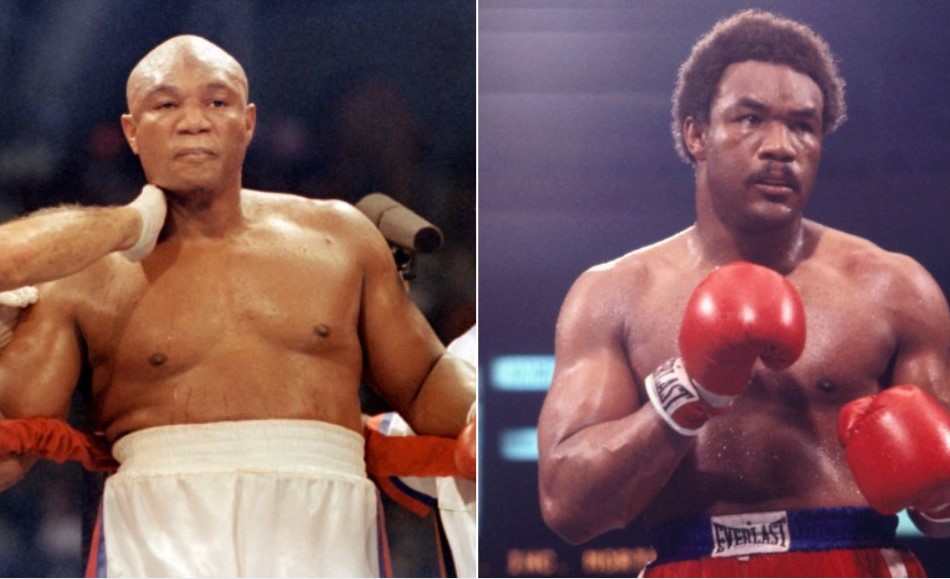
George Foreman’s name resonates across generations—not just as a two-time heavyweight boxing champion, but also as a savvy businessman and television pitchman. With a net worth of $300 million at the time of his death in 2025, Foreman’s legacy extends far beyond the boxing ring.
While his early fame came through gold medals and heavyweight belts, Foreman’s true financial empire was built not with gloves, but with grills. His journey is a case study in reinvention, branding, and resilience. This article explores George Foreman’s net worth, how he built it, lost it, and then built it again—stronger than ever.
Early Life and Humble Beginnings
Born George Foreman on January 10, 1949, in Marshall, Texas, Foreman was raised in Houston with six siblings. His upbringing was tough, and by the age of 15, he had dropped out of school and become involved in street crime. Recognizing a need for change, he joined the Job Corps, where he earned his GED and trained as a carpenter and bricklayer.
It was during his time in California with the Job Corps that Foreman began training in boxing—a decision that would change the course of his life forever.
Olympic Gold and Early Professional Career
Foreman’s first major moment on the world stage came in 1968, when he won a gold medal in the Mexico City Olympics in the heavyweight boxing division. His dominant performance, including a win over seasoned fighter Jonas Cepulis, marked the beginning of what would become a historic professional boxing career.
He turned professional in 1969 and wasted no time establishing himself, winning 13 fights that year, 11 by knockout. By the early 1970s, Foreman had become one of the most feared boxers in the world.
The 1973 Breakthrough: World Heavyweight Champion
Foreman’s career peaked early when, in 1973, he defeated “Smokin’ Joe Frazier” to become the undisputed heavyweight champion. The bout, which saw Frazier knocked down six times, was a brutal display of power that established Foreman as the man to beat in heavyweight boxing.
However, his reign was short-lived. In 1974, he faced Muhammad Ali in the now-legendary “Rumble in the Jungle” in Zaire. In one of the most famous boxing matches in history, Ali used his rope-a-dope strategy to wear Foreman down, eventually knocking him out in the eighth round. It was the first loss of Foreman’s career—and a devastating one.
First Retirement and Spiritual Rebirth
After losing to Jimmy Young in 1977, Foreman had a spiritual awakening in the locker room, which led him to retire and become an ordained minister. During this time, he focused on his faith, opened a youth center, and lived a relatively modest life.
At this point, Foreman had saved about $5 million from his boxing career, which would be worth around $20 million in today’s dollars. Unfortunately, bad investments and an extravagant lifestyle led to financial ruin. By 1987, ten years into retirement, Foreman was broke.
The Comeback: A Fighter Again at 38
In desperate need of money, Foreman made an unlikely return to the ring at age 38. Many doubted his ability to compete, but Foreman proved them wrong. In 1994, at age 45, he defeated Michael Moorer to reclaim the heavyweight title, becoming the oldest heavyweight champion in boxing history.
His comeback was not only inspirational but also lucrative, with numerous high-profile fights and pay-per-view appearances bringing in millions. By the time he officially retired in 1997, Foreman had compiled a professional record of 76 wins (68 by knockout) and just 5 losses.
The George Foreman Grill: How He Made Over $250 Million
While boxing brought fame, the George Foreman Grill brought fortune. Officially launched in 1994, the George Foreman Lean Mean Fat-Reducing Grilling Machine became a cultural phenomenon.
The Origins
Invented by Michael Boehm and Robert Johnson, the grill was looking for a celebrity endorser when they found Foreman. Although he hadn’t initially used the product, Foreman was quickly convinced of its value.
His friendly demeanor and catchphrase, “It’s so good I put my name on it,” helped turn the grill into a mainstream success.
Financial Deal of a Lifetime
Foreman was paid monthly royalties starting at about $138,000, which skyrocketed to $8 million per month at the peak of the product’s popularity. By 1999, Salton Inc., the manufacturer, bought out Foreman’s rights to the product for a reported $137.5 million in cash and stock.
By the time it was all said and done, Foreman had earned over $250 million from the grill—more than 10x his total boxing earnings.
Legacy of the Grill
The George Foreman Grill sold over 100 million units globally, making it one of the most successful kitchen appliances of all time. It also paved the way for celebrity-branded products and demonstrated how athletes could create long-lasting wealth post-retirement.
Media, Endorsements, and Pop Culture Impact
Foreman’s post-boxing fame extended well beyond grills. He appeared in commercials for brands like Meineke, starred in TV shows, wrote autobiographies, and became a motivational speaker. His jovial personality, in stark contrast to his fierce boxing persona, made him beloved by a new generation.
His media appearances not only boosted sales of the grill but also cemented his status as a household name.
Personal Life and Family
Foreman was married four times before marrying Mary Joan Martelly in 1985, with whom he remained until his death in 2025. He had 12 children—five sons, all named George Edward Foreman, and daughters who also carried the George name in some form (except for one daughter named Georgetta).
A Family Affair
Several of his children dabbled in boxing and entertainment:
- George Foreman III followed in his father’s boxing footsteps.
- Freeda Foreman, who tragically passed away in 2019, had a short professional boxing career.
- Natalie Foreman pursued music as a singer.
Foreman encouraged all of his children to obtain college degrees, underscoring the value he placed on education and long-term success.
Car Collection Auction
In November 2023, Foreman made headlines again—not for a fight or a grill, but for his car collection. He auctioned over 50 classic and enthusiast vehicles through Hagerty Marketplace. All cars were sold without reserve, drawing major attention.
Some highlights from the auction include:
- 2005 Ford GT – Sold for $330,000
- 1963 Chevrolet Corvette Split-Window Coupe – Sold for $125,000
- 1987 Ferrari Testarossa – Sold for $143,000
- 1959 Chevrolet Impala Convertible – Sold for $153,000
- 1999 Prevost VIP Touring Coach – Sold for $115,000
The auction further revealed Foreman’s passion for cars and added another layer to his public persona.
Real Estate Portfolio
Foreman owned multiple properties throughout his life. His real estate holdings reflected both his success and love for privacy.
- Livermore, California – A 4-acre ranch he sold in 1977.
- Kingwood, Texas – A suburban estate where he raised his family.
- Marshall, Texas – A 300-acre ranch with horses and cattle.
- Malibu, California – Purchased a beachfront townhouse for $2.3 million.
- Huffman, Texas – A 29-acre luxury estate featuring a 12,000-square-foot mansion and an 11,000-square-foot garage for 55 cars. It was listed in 2024 for $9.5 million.
These properties showcased Foreman’s lifestyle—equal parts lavish and grounded.
Legacy and Honors
George Foreman’s boxing record, business acumen, and cultural impact earned him a place among the greats. He was inducted into:
- International Boxing Hall of Fame
- World Boxing Hall of Fame
He’s ranked among the top 10 greatest heavyweights in history, and his business story is studied in marketing courses worldwide.
From Olympic champion to entrepreneur, Foreman’s life represents the power of reinvention and resilience.
Conclusion: A Knockout Legacy Worth $300 Million
George Foreman’s net worth of $300 million was no accident. It was the result of grit, smart branding, and the courage to reinvent himself multiple times. From a troubled youth to Olympic champion, from bankrupt ex-boxer to entrepreneurial icon—Foreman’s story is as inspiring as it is remarkable.
While many remember him for the “Rumble in the Jungle,” his true knockout came in the form of a grill that redefined his legacy. Foreman proved that success isn’t just about talent—it’s about adaptability, vision, and staying true to who you are.
FAQs
How did George Foreman make his money?
While Foreman earned millions from boxing, the majority of his $300 million net worth came from the George Foreman Grill, which earned him over $250 million in royalties and buyout deals.
Did George Foreman really make $8 million per month?
Yes. At the peak of the grill’s success, Foreman confirmed in interviews that he earned as much as $8 million per month.
Was George Foreman broke before his comeback?
Yes. By 1987, Foreman had lost most of his boxing fortune due to bad investments and an extravagant lifestyle, prompting his return to boxing at age 38.
How many children does George Foreman have?
Foreman had 12 children, five of whom are sons all named George Edward Foreman.
When did George Foreman pass away?
George Foreman passed away in 2025, leaving behind a powerful legacy in sports, business, and culture.
Visit For More Information Go to:- Daily Dose Nets